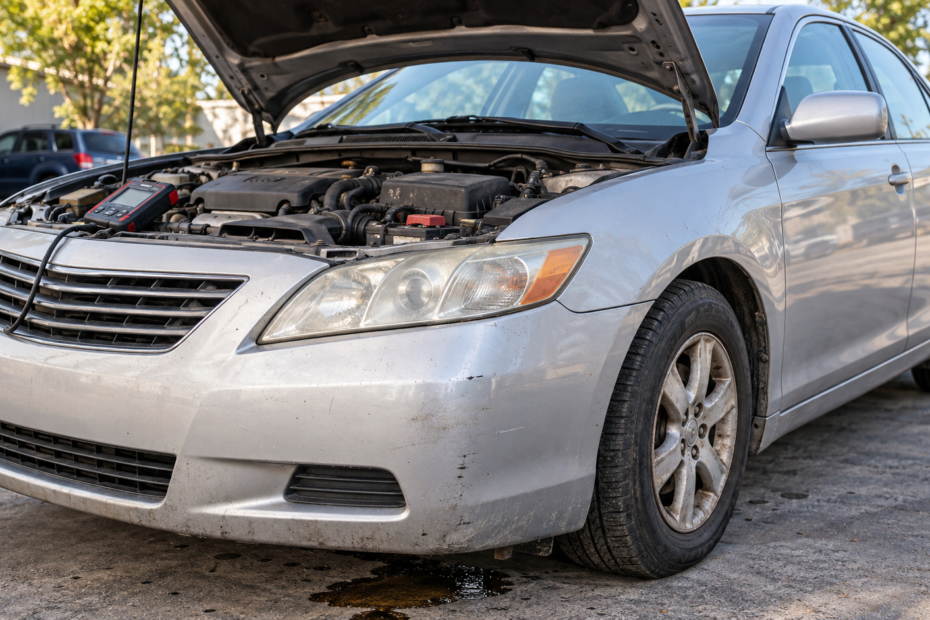
A used car with a few problems can look like a bargain. The asking price may be low, and the seller might say it only needs a small repair. Sometimes that is true. Other times, a minor symptom points to a much larger bill.
You do not need to reject every car with a fault. You do need to know what you are buying. A careful inspection, a realistic repair estimate, and the willingness to walk away can protect you from an expensive mistake.
Why Do People Sell Cars With Faults?
Owners sell faulty cars for many reasons. Some cannot afford the repair. Others need a different vehicle and do not want to spend more money on the old one. A seller may also prefer a quick sale over arranging an inspection and waiting for parts.
A fault does not automatically mean the seller is hiding something. Still, you should check every claim. If the listing says “easy fix,” ask why the owner has not fixed it and whether a mechanic has diagnosed the issue.
Check the Listing Before You Visit
Start with the description and photos. Look for the car’s year, mileage, ownership history, service records, and a clear account of its faults. If the listing leaves out important details, ask the seller before making the trip.
Useful questions include:
- When did the problem first appear?
- Does it happen all the time or only under certain conditions?
- Has a mechanic inspected the car?
- Is there a written repair estimate?
- Has the car been driven since the fault appeared?
- Are there any other known problems?
Pay attention to the answers. A seller who says “I don’t know” may simply be honest. A seller whose story changes or who refuses a reasonable inspection gives you a reason to be cautious.
Inspect the Car in Daylight
Daylight makes it easier to see body damage, paint differences, leaks, and worn tires. If possible, arrange to view the car when the engine is cold. Some starting problems and unusual noises become harder to notice after a vehicle has warmed up.
Walk around the car slowly. Check that the doors, hood, and trunk open and close properly. Look for uneven panel gaps, rust, damaged lights, and tires with uneven wear. Inside, test the windows, air conditioner, screen, lights, and other controls.
A clean car can still have mechanical problems. Likewise, a dirty interior does not prove the engine is bad. Consider the whole vehicle rather than judging it by one detail.
Watch for Common Mechanical Problems
Engine trouble
Listen for knocking, rattling, or rough idling. Look for warning lights on the dashboard and check for visible leaks beneath the car. Excessive smoke from the exhaust also deserves investigation.
These symptoms can have different causes. Do not accept a confident diagnosis from the seller without supporting evidence. A mechanic can tell you much more than a guess based on a dashboard light.
Transmission faults
During a test drive, notice how the car changes gears. Hesitation, slipping, harsh shifts, or unusual noises may signal a problem. Transmission repairs can be expensive, so get a professional opinion before agreeing to buy.
Overheating
Check the temperature gauge during the drive. If it climbs unusually high, stop the test drive safely. Overheating can result from several faults and may cause further engine damage. A seller’s claim that it “just needs coolant” is not enough to establish the cause.
Brakes and steering
The car should brake smoothly and steer predictably. Grinding noises, strong vibrations, or pulling to one side need attention. Do not continue a test drive if the vehicle feels unsafe.
Pay for an Independent Inspection
An independent inspection is one of the most useful steps when buying a car with known problems. Choose a mechanic who works for you, not one selected solely by the seller.
Ask the mechanic to assess the reported fault and the rest of the vehicle. A car advertised with an air conditioner problem may also need tires or suspension work. You need to understand the total likely cost, not just the repair mentioned in the listing.
An inspection cannot guarantee that nothing will fail later. It can, however, reveal visible wear, current faults, and reasons to investigate further. If the seller refuses to allow an inspection, consider another car.
Calculate the Real Cost of the Car
The asking price is only the beginning. Add the expected repairs, immediate maintenance, transport costs if the car cannot be driven, and any required registration or transfer expenses.
For example, a cheaper car may stop being a bargain if it needs tires, brakes, and a major engine repair. Leave room in your budget for unexpected work, especially when the mechanic cannot confirm the full extent of a problem without taking parts apart.
Compare that total with the price of a similar car in good condition. If the difference is small, buying the better car may save you time and uncertainty.
Make an Offer Based on Evidence
If you still want the car, use the inspection and written estimates to decide on an offer. Explain your figure calmly. You can say which repairs you expect to pay for and how they affect the price.
Avoid assuming the seller will subtract every repair bill from the asking price. They may already have priced the car below similar listings. Your goal is a figure that makes sense for you, even if the seller declines it.
Set your maximum price before negotiating. It is easier to walk away when you have decided in advance what the car is worth to you.
Check the Paperwork Before Paying
Confirm that the seller has the right to sell the vehicle and that its identifying details match the documents. Review available service records and any inspection or repair reports. Follow the vehicle history, payment, and ownership transfer procedures that apply where you live.
Keep copies of the sale agreement, payment record, and any written statements about the car’s condition. Never rely only on a verbal promise that a fault will be repaired later. If a repair is part of the deal, put the terms in writing before paying.
When Should You Walk Away?
Some cars carry more uncertainty than your budget can handle. Be prepared to leave if:
- The seller will not let you arrange an independent inspection.
- The vehicle feels unsafe to drive.
- The documents or vehicle details do not match.
- A major fault has no credible diagnosis.
- The likely total cost is close to the price of a sound car.
- You feel pressured to pay before you can check the vehicle properly.
There will be other used cars. Walking away from a risky purchase is often the cheapest decision you can make.
Final Thoughts
Buying a used car with problems can work when you understand the fault and the price reflects the risk. Ask direct questions, inspect the car carefully, and get an independent mechanic’s opinion. Then calculate what you may spend after the purchase.
A low asking price should start your investigation, not end it. The best deal is a car you can afford to buy, repair, and use with confidence.
FAQs
Is it worth buying a car with a check engine light on?
It might be, but find out why the light is on before paying. A diagnostic code is useful information; a mechanic should assess the likely repair and its cost.
Should I buy a used car that overheats?
Treat overheating as a serious warning. Have the cause investigated and the potential engine damage assessed before considering an offer.
Can I negotiate the price because a car needs repairs?
Yes. A written inspection report and repair estimate give you a reasonable basis for an offer. The seller can accept or decline it.
Is a cheap car with faults better than an expensive car in good condition?
Compare the full cost, including repairs and immediate maintenance. The cheaper asking price may not result in a cheaper car to own.
What is the most important step before buying a faulty car?
Arrange an independent inspection. It helps you understand the known fault and may reveal other costs before you commit.