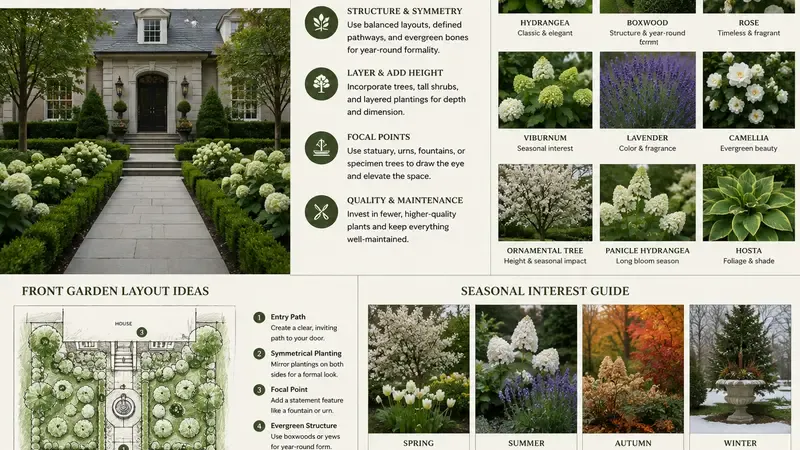
A beautiful garden does more than improve curb appeal. It creates a peaceful environment, supports local wildlife, and provides a space where families can relax and connect with nature. This is where garden advice homenumental becomes valuable. The concept focuses on creating gardens that are both visually appealing and practical while promoting sustainability and long-term growth.
Whether you have a large backyard or a small outdoor space, following the right gardening principles can transform your landscape into a thriving retreat. This comprehensive guide explores everything you need to know about garden advice homenumental, from planning and plant selection to maintenance and eco-friendly gardening practices.
What Is Garden Advice Homenumental?
The term garden advice homenumental refers to a thoughtful approach to gardening that combines beauty, functionality, and sustainability. Instead of focusing only on aesthetics, it encourages homeowners to create outdoor spaces that are easy to maintain, environmentally friendly, and enjoyable throughout the year.
This gardening philosophy emphasizes:
- Smart garden planning
- Sustainable landscaping
- Efficient water use
- Healthy soil management
- Proper plant selection
- Long-term maintenance strategies
The goal is to build a garden that remains attractive while requiring fewer resources and less effort over time.
Why Modern Homeowners Follow Garden Advice Homenumental
Gardening trends have changed significantly over the years. Many homeowners now prefer gardens that offer both visual appeal and environmental benefits.
Here are some reasons why garden advice homenumental has gained popularity:
| Benefit | Description |
|---|---|
| Improved Appearance | Enhances the beauty of outdoor spaces |
| Better Sustainability | Reduces waste and conserves resources |
| Lower Maintenance | Requires less time and effort |
| Increased Property Value | Attractive landscapes can boost home value |
| Health Benefits | Encourages outdoor activity and relaxation |
| Environmental Impact | Supports biodiversity and pollinators |
These advantages make this gardening approach suitable for beginners and experienced gardeners alike.
Start with a Clear Garden Plan
Every successful garden begins with proper planning.
Before planting anything, assess your available space. Observe how much sunlight different areas receive during the day. Some plants thrive in full sun, while others prefer partial shade.
Consider the following factors:
Available Space
Measure your garden area carefully. This helps determine how many plants can comfortably fit without overcrowding.
Sunlight Exposure
Track sunlight patterns for several days. Understanding light conditions helps you select suitable plants.
Soil Conditions
Test your soil to identify nutrient levels and drainage capabilities.
Purpose of the Garden
Ask yourself what you want to achieve:
- Decorative flower garden
- Vegetable garden
- Pollinator-friendly garden
- Relaxation space
- Family gathering area
Following garden advice homenumental means designing a garden with purpose rather than planting randomly.
Choose Plants That Match Your Environment
One of the most important gardening decisions involves plant selection.
Many gardeners make the mistake of choosing plants based solely on appearance. While visual appeal matters, successful gardens require plants that match local climate conditions.
Native Plants
Native species often perform better because they have adapted to local weather patterns and soil conditions.
Benefits include:
- Reduced watering needs
- Better disease resistance
- Support for local wildlife
- Lower maintenance requirements
Perennials vs Annuals
Understanding the difference helps create a balanced garden.
| Perennials | Annuals |
|---|---|
| Return every year | Complete life cycle in one season |
| Lower long-term cost | Offer seasonal color variety |
| Require less replanting | Need annual replacement |
| Stable garden structure | Flexible design options |
Combining both creates year-round interest.
Build Healthy Soil for Long-Term Success
Healthy soil forms the foundation of every productive garden.
Many gardening problems can be traced back to poor soil conditions. According to garden advice homenumental, improving soil should be a priority before planting.
Add Organic Matter
Organic materials improve soil structure and fertility.
Examples include:
- Compost
- Leaf mold
- Aged manure
- Grass clippings
These materials increase nutrient availability and improve moisture retention.
Maintain Proper Drainage
Waterlogged soil can damage plant roots.
To improve drainage:
- Add organic matter
- Create raised beds
- Avoid soil compaction
Monitor Soil pH
Different plants require different pH levels.
Testing soil regularly helps ensure optimal growing conditions.
Smart Watering Techniques
Water management plays a major role in sustainable gardening.
Many homeowners waste water by using inefficient irrigation methods. Following garden advice homenumental encourages responsible water use.
Water Deeply
Deep watering encourages roots to grow further into the soil.
Benefits include:
- Improved drought tolerance
- Stronger root systems
- Healthier plants
Water Early in the Morning
Morning watering reduces evaporation and helps prevent fungal diseases.
Install Drip Irrigation
Drip systems deliver water directly to plant roots.
Advantages include:
- Reduced water waste
- Better efficiency
- Lower weed growth
Use Mulch for Better Garden Performance
Mulch provides numerous benefits that improve overall garden health.
Applying mulch around plants helps:
- Retain moisture
- Suppress weeds
- Regulate soil temperature
- Improve soil quality over time
Popular mulch options include:
- Wood chips
- Straw
- Bark
- Compost
Many experts consider mulch one of the most effective tools in garden advice homenumental because it addresses multiple gardening challenges simultaneously.
Create a Garden That Attracts Wildlife
A thriving garden supports more than plants.
Birds, butterflies, bees, and beneficial insects contribute to a healthier ecosystem.
Plant Pollinator-Friendly Flowers
Pollinators help many plants reproduce successfully.
Good choices include:
- Lavender
- Coneflowers
- Sunflowers
- Bee balm
Add Water Sources
Bird baths and shallow water features attract helpful wildlife.
Avoid Excessive Chemical Use
Reducing pesticides protects beneficial insects and maintains ecological balance.
Seasonal Gardening Strategies
Gardens require different care throughout the year.
Spring
Spring is the season for:
- Soil preparation
- Planting new flowers
- Fertilizing
- Dividing perennials
Summer
Summer maintenance includes:
- Water management
- Mulching
- Pest monitoring
- Deadheading flowers
Autumn
Fall gardening focuses on:
- Cleanup
- Composting
- Plant protection
- Bulb planting
Winter
Winter is ideal for:
- Planning future projects
- Tool maintenance
- Structural improvements
- Soil testing
These seasonal tasks help ensure continuous success when applying garden advice homenumental principles.